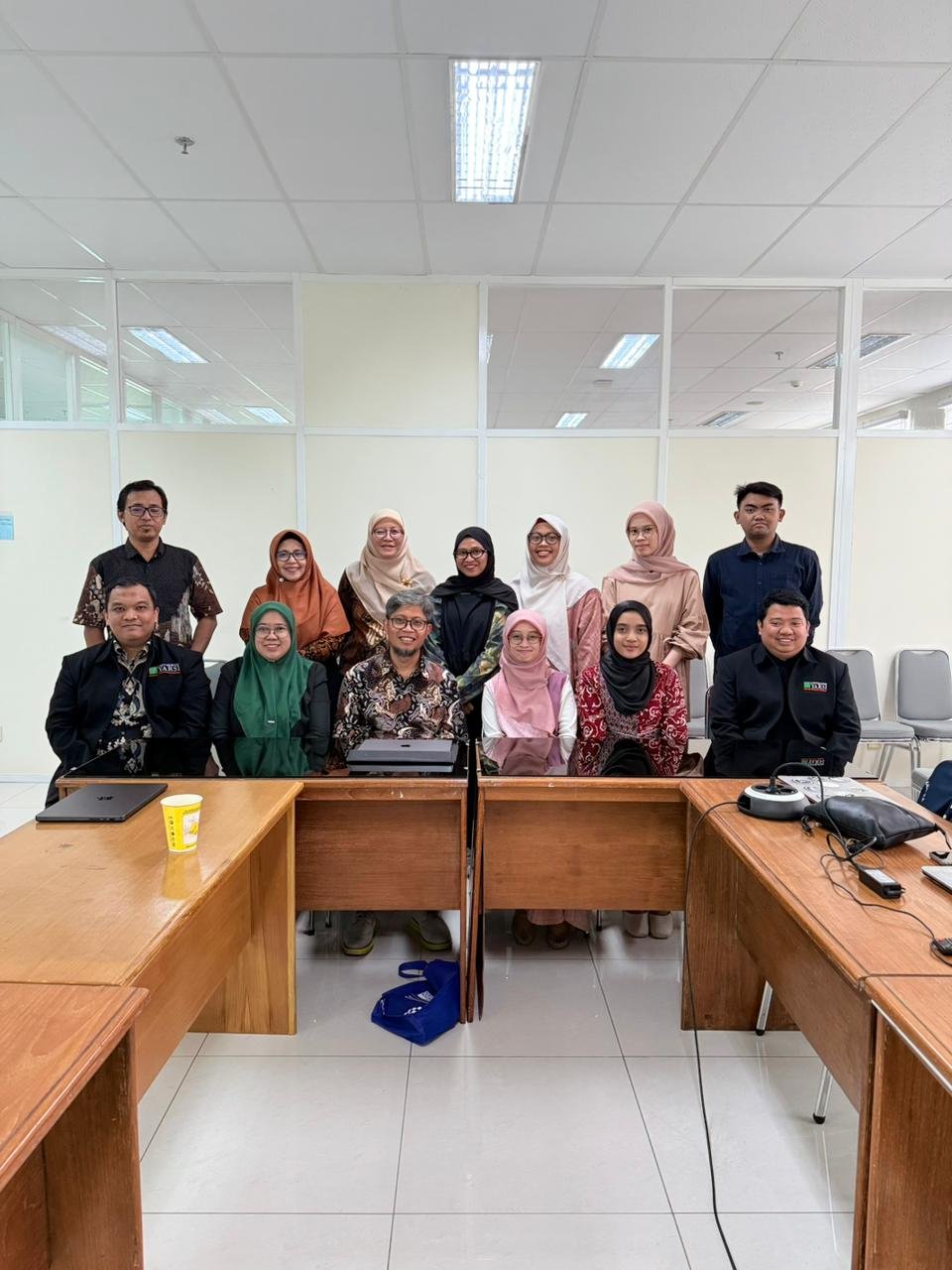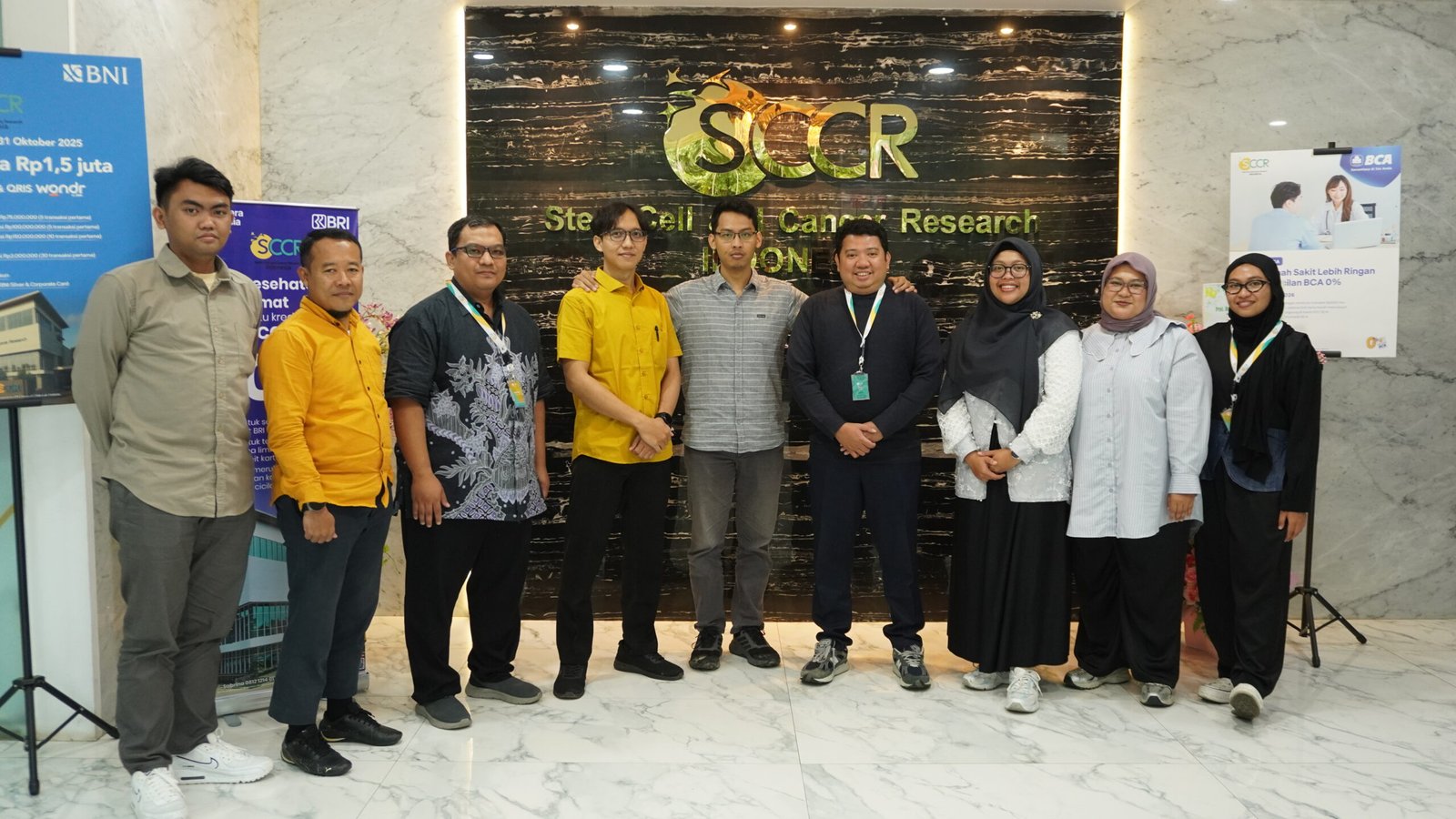
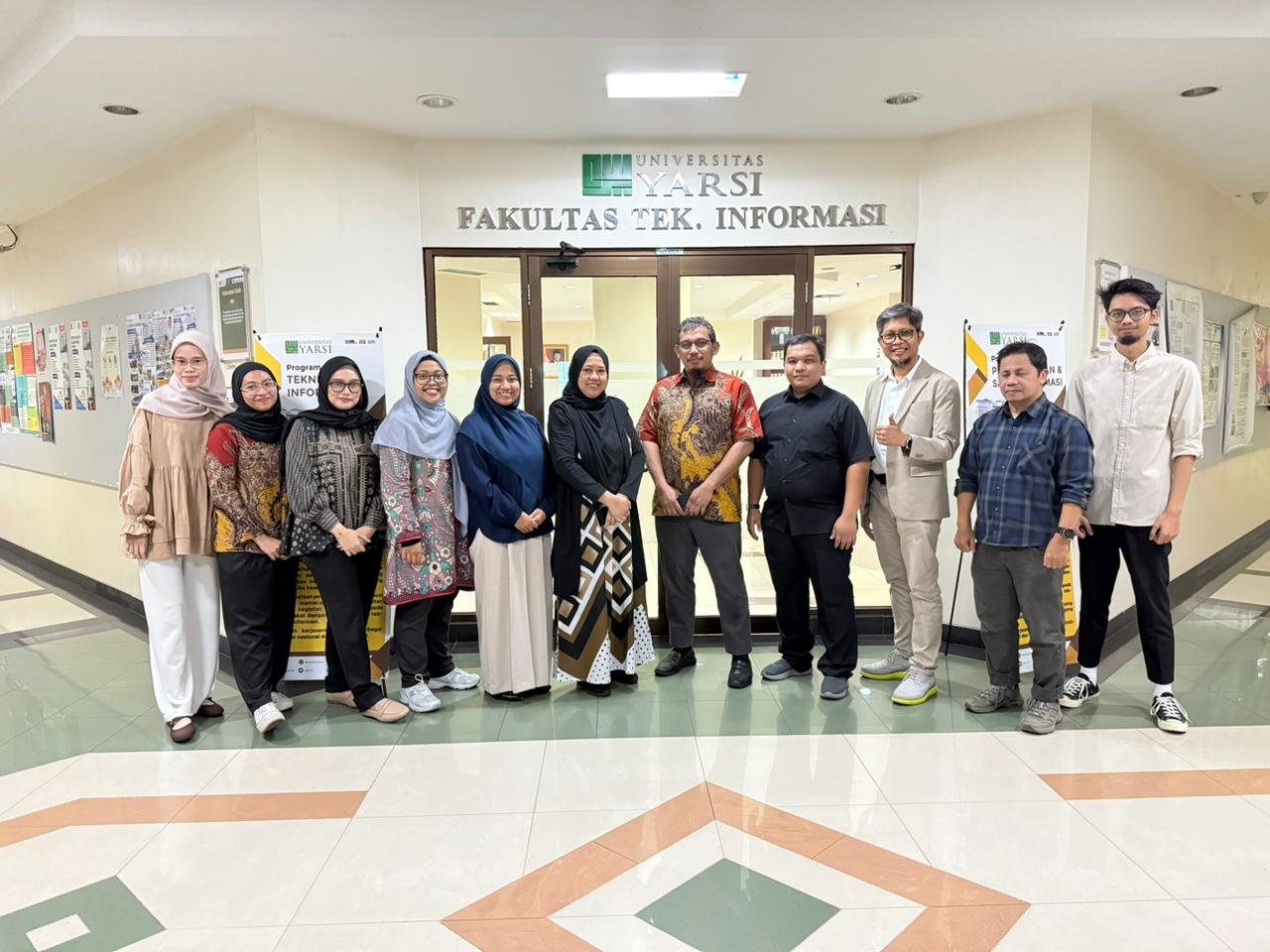
Yarsi University, through Ahmad Rusdan H. Utomo, Ph.D. (Pak Ahmad) and his team (Chandra Prasetyo Utomo, Muhamad Fathurahman, Ummi Azizah Rachmawati, and Sri Chusri Haryanti), has received a research grant under the 2025 Priority Research Downstreaming Program – Industry Call from the Directorate General of Research and Development, Ministry of Higher Education, Science, and Technology.
The grant awarded to Pak Ahmad and his team represents an innovative step in the field of genomic research through the project Next Generation of SENUSA (Software for Nusantara Gene Assessment).
According to Pak Ahmad, this project marks an important transformation and serves as a pillar of national genomic independence, leveraging Artificial Intelligence (AI) and Next-Generation Sequencing (NGS) technologies to read the human genetic code in depth. “This project has been running for the past two years,” said the Ph.D. graduate from the University of Texas at San Antonio.
Team member Chandra Prasetyo Utomo (Pak Chandra) added that the SENUSA Project initially began as a collaboration between PT Biogenome Total Solusi and the Faculty of Information Technology (FTI) Yarsi University. It has been developed at the AI Laboratory and the Yarsi E-Health Research Center since March 2024. After approximately 15 months of intensive R&D, the SENUSA product has reached Technology Readiness Level (TRL) 6.
This means that the model or system prototype has been successfully demonstrated in a relevant environment. Achieving TRL 6 is what made SENUSA eligible to receive the 2025 Priority Research Downstreaming Grant – Industry Call.
According to Pak Chandra, this grant is expected to propel SENUSA to higher TRL levels until eventually reaching an industry-ready, commercially viable stage.
Furthermore, even before the grant scheme was opened, Yarsi University had already begun working toward understanding genetic variations that impact health and providing meaningful interpretations for individuals. With NGS technology, every individual has a unique genetic barcode that can be analyzed for various purposes—ranging from confirming biological relationships to predicting risks of genetic diseases such as cancer, heart disease, and stroke.
If certain genetic variations are associated with specific diseases, more personalized recommendations can be provided.
Pak Chandra, who also serves as the Head of the Yarsi E-Health and AI Research Center, emphasized that this technology has become increasingly affordable. What once cost up to one billion rupiah per person now requires only around two million rupiah to obtain raw data. The cost of genetic interpretation, including scientific literature analysis, remains the primary value-added component and can reach tens of millions of rupiah per individual.
“With more accessible and affordable costs, the SENUSA Project opens opportunities for genomic research and applications for many stakeholders,” said the University of Indonesia alumnus.
Pak Chandra explained that the SENUSA Project not only focuses on research but also serves as a learning platform for Yarsi University students. Students now have the opportunity to learn directly using NGS technology, understand the integration between biology, computation, and industrial management, and gain real-world experience relevant to the professional environment.
Students can see firsthand how theories are applied in real research, including genomic data processing and interpretation of genetic variations. “This gives them a learning experience that is more tangible and applicable,” he said.
Moreover, the project establishes strategic collaboration with the local industry partner PT Biogenome Total Solusi to develop local genomic software capable of securely and efficiently processing genomic data within Indonesia.
Pak Chandra stated that PT Biogenome Total Solusi, part of the Pandu Holding Group, is known for providing solutions and services for biotechnology and molecular biology research across sectors—universities, hospitals, research institutions, clinical industries, and laboratory service providers.
Since its establishment, PT Biogenome Total Solusi has been committed to offering end-to-end support for genomic enthusiasts in Indonesia, encompassing pre-sales, implementation, and after-sales services. This synergy is expected to create a strong domestic genomic innovation ecosystem and position Biogenome Total Solusi and Yarsi University as joint pioneers in developing local genomic software in Indonesia.
Through this project, Yarsi University aims to ensure that genomic data remains within the country and is analyzed locally to preserve information sovereignty. This collaboration demonstrates that academic innovation can synergize with industry for the benefit of the nation while fostering the emergence of competitive local technologies.
From an academic standpoint, Yarsi University is preparing opportunities for patents on the algorithms developed, which can be utilized by industry. This signifies a productive academic–industry synergy. Strong collaboration between universities, students, and industry will bring tangible benefits to the campus, research activities, and society.
The SENUSA Project forms part of Yarsi University’s efforts to prepare graduates who can adapt to the rapid development of science and technology. Students not only learn theory but also practice genomic data analysis, understand research ethics, and recognize the importance of genetic data security. “Students can learn directly from real-world applications, making their learning more aligned with industry needs,” he added.
According to Pak Chandra, the SENUSA Project also provides significant social impact. The genomic data generated can be used to study diseases with high prevalence in Indonesia and assist the government and the pharmaceutical industry in developing evidence-based health strategies. “In other words, this project not only advances scientific knowledge but also delivers positive societal impact,” said the master’s graduate from King Abdullah University of Science and Technology.
The project highlights the importance of global collaboration. Although SENUSA focuses on data sovereignty within Indonesia, Yarsi University welcomes cooperation with international institutions to enhance research quality and prepare graduates to compete globally. “International collaboration allows universities to initiate new breakthroughs, increase global recognition, and contribute to the development of young Indonesian scientists,” he stated.
Through the SENUSA Project, Yarsi University reaffirms its commitment to becoming a pioneer of national genomic independence, paving the way for scientific innovation and producing a generation of Indonesian scientists ready to contribute to the nation.
Pak Ahmad and Pak Chandra encourage the Yarsi academic community: do not fear research, innovation, or collaboration. Productive collaboration ensures that the knowledge we develop becomes more meaningful.
Once again, Pak Ahmad and Pak Chandra agree that through SENUSA, Yarsi University’s steps toward becoming a pioneer of national genomic independence, while opening opportunities for innovation and competency development for young Indonesian scientists, are increasingly realized.
(Usman & Naufal Hanif)